
Most growers set their heat mat to one temperature and call it a day. The same warmth runs nonstop. Light on or off, morning or night. It seems stable. But to the plants, it’s confusing. There’s no rhythm. No cues. No cycle.
My setup is different.
I mimic natural light and heat patterns, not just to make things feel realistic, but because I’ve seen how much better my plants grow when I do.
Light and Heat in Nature Always Move Together
In the wild, sunrise starts with low light and cool air. As the sun climbs, the temperature rises with it. By midday, both heat and light are at full strength. That peak drives photosynthesis, transpiration, and nutrient absorption.
Later in the day, both begin to fall. As evening approaches, light fades and heat drops. That decline shifts the plant’s metabolism. It slows everything down. Hormones shift. Water movement drops. The plant rests and resets.
This isn’t a bonus feature of outdoor growing. It’s essential. Plants evolved to follow this pattern.
Most Cabinets Strip That Pattern Away
Flatline heating removes the rhythm entirely. When your cabinet stays at the same temperature twenty-four hours a day, your plant receives light and darkness, but no temperature cue to match.
It’s like living in a world where the sun rises but the air stays the same all day and night. The result is slower growth, weaker uptake, and less structure. It also confuses the plant’s internal clock. You’ll often see signs of this in inconsistent behavior such as drooping, stalling, or reduced pigment intensity.
Even if your setup doesn’t support advanced automation, you can still add a cycle. At minimum, use one temperature for the day and a lower one at night. That alone is enough to improve how your plants behave.
My Day and Night Temperatures
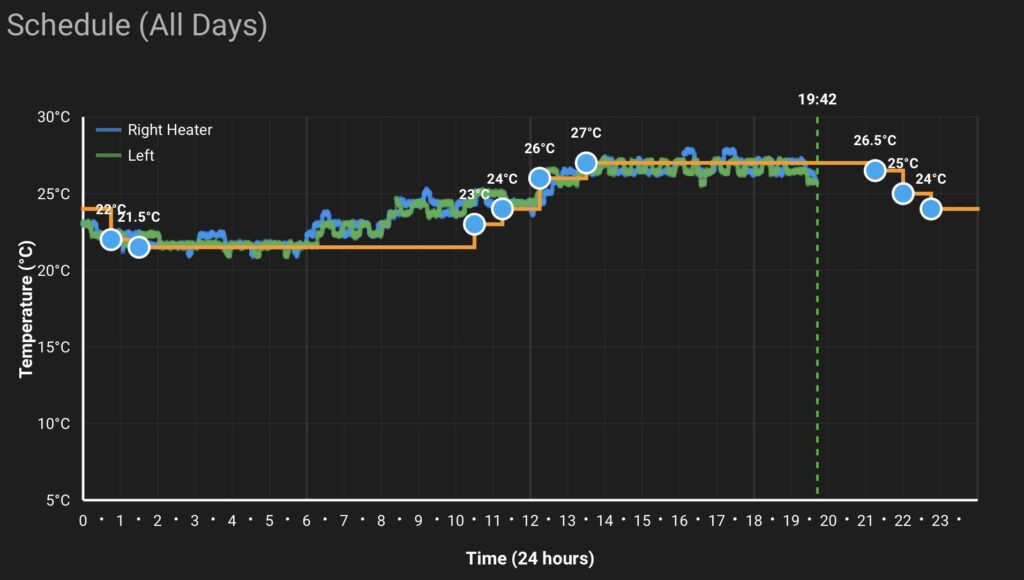
In my cabinets, the temperature starts rising one hour before the lights turn on. That early heat helps the plants shift into day mode gradually. It prevents cold shock and allows stomata to open just before the first light hits.
By midday, the cabinet peaks at around 26.5 to 27.2°C. This range supports full photosynthesis and matches the plant’s expectations for daylight conditions. Growth is active. Nutrients move fast. Water is pulled efficiently through the substrate.
As the day ends, the thermostat gradually pulls back. By the time the lights go off, the cabinet is already cooling. Night temperatures hold steady at around 20 to 21.5°C, which supports repair, hormone balance, and root zone calm.
The whole cycle is automated with Home Assistant. No sudden jumps. No dramatic drops. Just a quiet shift from one phase to the next. Every single day.
The Timelapse That Changed How I Grow
This part surprised me.
I set up a camera for timelapse footage of my cabinet and noticed something strange. The plants weren’t just reacting to the light turning on. They were already starting to move when the temperature began rising before the light even came on.
Leaves lifted, and one of my Alocasias started unfurling like it had an internal alarm clock.
To test it, I delayed both the heat and the light one morning. I wanted to see what would happen if everything stayed dark and cool longer than usual.
They still woke up.
Even without the usual cues, the plants started shifting into daytime behavior at the exact same time they always did.
That’s when I realized: they’re not just reacting anymore. They’re anticipating. They’ve memorised the rhythm.
And that kind of response only comes from consistency. When the environment becomes predictable, the plants start trusting it. Once they trust it, they sync with it. And once they sync with it, growth becomes a ritual, not just a response.
Why Cooler Nights Matter
As the lights go off and the cabinet cools, humidity starts to climb. This is normal. Plants are no longer transpiring as much. Evaporation slows. Moisture builds.
If the temperature stays high, that moisture has nowhere to go. It lingers, increases risk of fungal growth, and throws off the balance between roots and air.
Cooler nights help regulate that. Lowering the temperature improves VPD (vapor pressure deficit), which balances how much moisture the plant holds versus releases. It also keeps the root zone safer, especially in Pon or LECA where airflow around roots is critical.
By managing heat this way, I avoid condensation build-up and reduce the risk of mold or root stress overnight.
Bonus: Better Temperature Cycles Make Prettier Plants
There’s another win here that has nothing to do with growth speed, and everything to do with color.
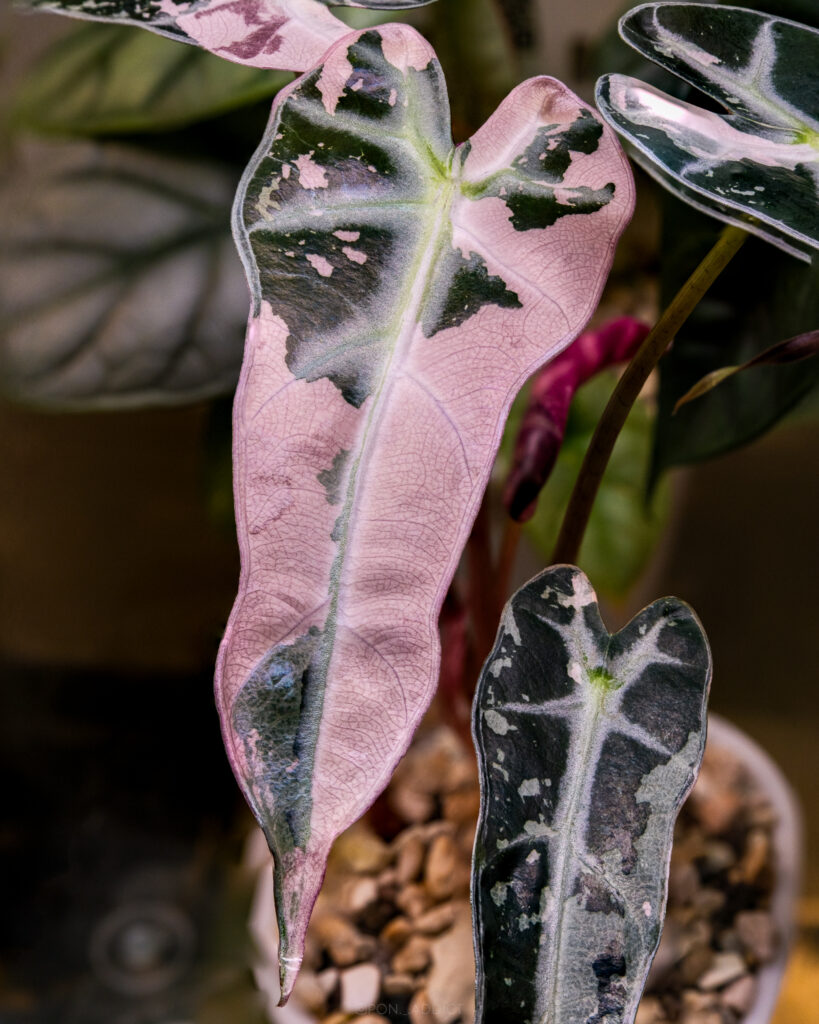
Daily temperature swings increase anthocyanin production. These are the pigments responsible for pink, red, and deep purple tones in plants.
Since adjusting my temperature cycle, I’ve noticed:
- Pink variegation becomes more vibrant
- New leaves on red-anthuriums come in richer and deeper
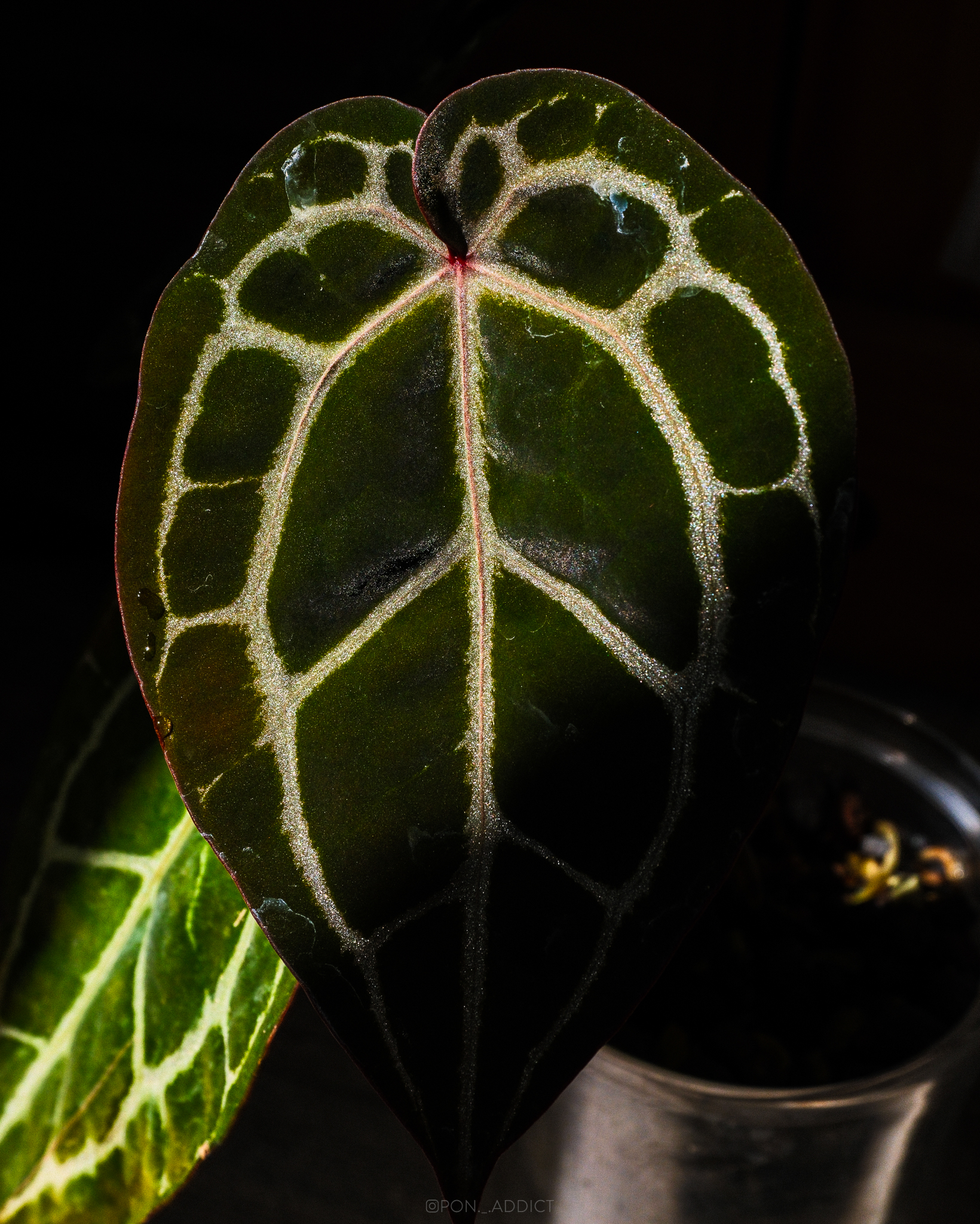
- Once hardened, dark-leaf Anthuriums stay darker and more saturated
This isn’t anecdotal. I’ve seen the difference side-by-side. When the night temps stay flat, color fades. When I run the cycle properly, the color comes back stronger.
It’s not just good science. It’s a visual upgrade.
Final Thought
Your grow space is more than just a box with a light and a heater. It’s a small, artificial world. And the more that world behaves like nature, the better your plants will understand what to do inside it.
Heat and light should never exist in isolation. They’re partners. When they rise and fall together, they guide everything else, like uptake, transpiration, hormone cycles, and pigment development.
Whether you’re running full automation or just using timers and a thermostat, give your plants a day and a night.
Let the world inside your cabinet feel like one they evolved to trust.
It changes everything.



Leave a Reply